

What Is DCS System? Basics, Types, Applications, and How It Works?
What Is DCS System and How It Works? DCS System Basics, Types, and Real-World Applications
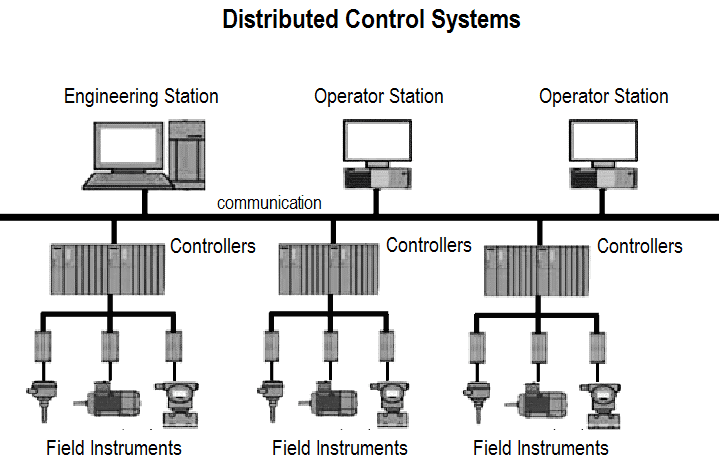
What Is DCS System? Basics, Types, and How It Works, Modern industries rely heavily on automation to improve efficiency, safety, and operational control. One of the most important technologies behind industrial automation is the DCS system. Understanding DCS system basics helps professionals, engineers, and businesses manage complex operations more effectively.
However, the term DCS can have different meanings depending on the industry. In engineering, DCS commonly refers to a Distributed Control System. In aviation and banking, DCS may represent different systems and roles. This article explains what a DCS system is, how it works, and its applications across sectors.
What Is DCS System?
A DCS, or Distributed Control System, is an automated control system used to monitor and manage industrial processes. Unlike traditional centralized systems, a DCS distributes control functions across multiple controllers connected through a communication network.
DCS systems are commonly used in industries such as:
- Oil and gas
- Power generation
- Chemical manufacturing
- Water treatment
- Pharmaceuticals
- Food and beverage processing
The main goal of a DCS system is to maintain stable and efficient operations while reducing human error and improving safety.
A typical DCS includes:
- Controllers
- Human-Machine Interface (HMI)
- Sensors and transmitters
- Communication networks
- Engineering workstations
- Process control software
These components work together to collect data, analyze operating conditions, and automatically adjust industrial processes.
What Is DCS System and How It Works?
A common question is: what is DCS system and how it works?
The operation of a DCS system follows a structured process.
Step 1: Data Collection
Sensors installed across industrial equipment measure variables such as:
- Temperature
- Pressure
- Flow
- Level
- Speed
These measurements are continuously transmitted to the DCS controllers.
Step 2: Data Processing
The controllers compare real-time values with predefined operating conditions.
For example:
If a boiler temperature exceeds the safe limit, the controller immediately detects the deviation.
Step 3: Decision and Control
The DCS software executes programmed control logic and sends commands to actuators, valves, motors, or pumps.
This automatic response ensures process stability without constant manual intervention.
Step 4: Monitoring Through HMI
Operators monitor system performance through Human-Machine Interface screens.
The HMI displays:
- Process status
- Alarm notifications
- Historical trends
- Equipment conditions
This allows operators to respond quickly if abnormal situations occur.
Because control is distributed rather than centralized, DCS systems provide greater reliability and minimize the risk of complete system failure.
Types of DCS Systems
There are several types of DCS systems designed for different operational requirements.
1. Process Industry DCS
This is the most common type.
It is used in:
- Refineries
- Chemical plants
- Petrochemical industries
- Power stations
These systems manage continuous industrial processes requiring precise control.
2. Batch Process DCS
Batch DCS systems are designed for production environments where operations occur in stages or batches.
Typical industries include:
- Pharmaceuticals
- Food processing
- Specialty chemicals
Batch systems ensure consistency and repeatability.
3. Hybrid DCS
Hybrid DCS combines features of Distributed Control Systems and Programmable Logic Controllers (PLC).
This approach is ideal for facilities requiring both:
- Continuous control
- Discrete machine control
Many modern manufacturing plants use hybrid systems.
4. Integrated DCS
Integrated DCS platforms combine:
- Process control
- Asset management
- Safety systems
- Advanced analytics
These systems support digital transformation and smart manufacturing.
Advantages of DCS Systems
DCS technology offers several operational benefits.
Improved Reliability
Because controllers are distributed, failure in one section rarely shuts down the entire plant.
Better Process Control
Continuous monitoring improves product quality and operational precision.
Enhanced Safety
Automatic alarms and shutdown procedures reduce industrial hazards.
Scalability
Facilities can expand their systems without replacing the entire infrastructure.
Reduced Human Error
Automation decreases dependence on manual monitoring and intervention.
These benefits explain why DCS systems remain essential in industrial automation.
What Is DCS System in Aviation?
The meaning of DCS changes in aviation.
What is DCS System in aviation?
In aviation, DCS usually stands for Departure Control System.
A Departure Control System is software used by airlines and airports to manage passenger departures.
Its functions include:
- Passenger check-in
- Boarding pass generation
- Seat assignment
- Baggage tracking
- Flight manifest management
- Boarding operations
The aviation DCS connects airport systems, airline databases, and security procedures to streamline passenger movement.
Without an effective DCS, airport departure operations would face delays and operational challenges.
What Is a DCS Officer?
Another frequently asked question is: what is a DCS officer?
The term DCS officer varies depending on the industry.
In aviation, a DCS officer often manages departure control operations, ensuring that:
- Passenger information is accurate
- Boarding procedures run smoothly
- Flight records are updated
- Operational issues are resolved quickly
In industrial settings, a DCS operator or officer monitors control room systems and oversees process performance.
Responsibilities may include:
- Monitoring alarms
- Adjusting system parameters
- Responding to faults
- Ensuring safe operations
DCS officers play an important role in maintaining operational continuity.
What Is DCS in Banking?
What is DCS in banking?
In banking, DCS may refer to different systems depending on the institution.
One common meaning relates to Document Control Systems or digital customer service and processing systems used for managing financial records and transaction workflows.
These systems support:
- Document management
- Customer verification
- Transaction tracking
- Compliance monitoring
- Workflow automation
Banks use DCS-related platforms to improve efficiency, maintain security, and meet regulatory requirements.
Because terminology varies between financial organizations, DCS in banking may have slightly different interpretations.
What Is DCS Child?
The phrase What is DCS Child can refer to different programs or services depending on local context and organizational use.
In some cases, DCS refers to child support or child services departments that manage welfare, support, and family-related programs.
Because the meaning varies widely by region and institution, it is important to verify the exact context when encountering the term DCS Child.
Unlike industrial DCS systems, this usage relates to administrative or social services rather than automation technology.
Understanding DCS system basics is essential for anyone working with industrial automation and process control. A Distributed Control System helps industries improve efficiency, safety, and reliability by distributing control functions across interconnected devices.
At the same time, DCS can mean different things in aviation, banking, and public services. Whether discussing a Departure Control System in aviation, banking workflow systems, or DCS-related administrative services, the term depends heavily on industry context.
As automation and digital systems continue to evolve, DCS technologies will remain central to operational excellence across multiple sectors.