
يقدم قسم إدارة المشتريات وسلاسل التوريد برامج تدريبية متقدمة تركز على تخطيط سلاسل الإمداد، إدارة الموردين، تحسين العمليات اللوجستية، وتقليل التكاليف التشغيلية. تساعد هذه الدورات الشركات على تعزيز كفاءة التوريد، ضمان استمرارية العمليات، وتحقيق ميزة تنافسية مستدامة من خلال تطبيق أفضل الممارسات العالمية في إدارة سلسلة التوريد
22
Courses
4
Challenges
7
FAQs
What this sector is about and why it matters to your team.
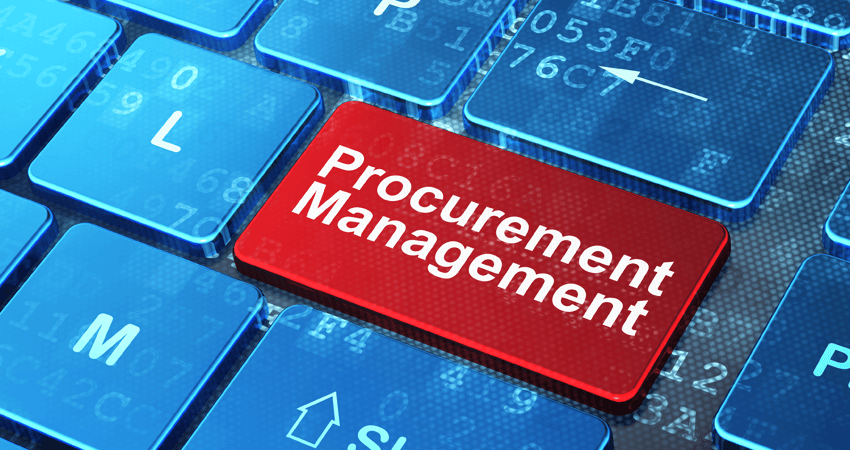
The Procurement and Supply Chain Management section is a vital training area for any organization, directly contributing to improved operational efficiency, cost reduction, and ensuring a smooth, sustainable flow of materials and services. Investing in supply chain management has become a strategic necessity for companies seeking to enhance competitiveness and achieve sustainable growth.
These training programs equip employees and managers with the skills needed to understand the importance of supply chain management and implement best practices across all stages, from planning, purchasing, storage, transportation, to final delivery to customers.
Supply chain management focuses on overseeing all activities related to sourcing products and services, from suppliers to end customers. It includes managing key supply chain elements such as inventory, transportation, distribution, and supplier relationships. By mastering this discipline, companies can achieve supply chain integration, ensure sustainable performance, and maximize efficiency.
Effective supply chain management relies on several critical stages:
Following these stages ensures sustainable supply chain operations, reduces waste, and optimizes resource utilization.
Professional supply chain training provides practical skills for both employees and managers, focusing on:
Investing in this section offers significant advantages for businesses, including:
Investing in procurement and supply chain management training is more than just professional development—it is a strategic step to build teams capable of achieving full supply chain integration and improving organizational performance sustainably.
Through these professional programs, companies can enhance employee skills, streamline internal processes, and elevate overall organizational performance in alignment with global best practices
Real business challenges this sector prepares you to handle.

Balancing inventory levels between shortages and overstock remains a major operational challenge.

The constant change in raw material prices directly affects purchasing decisions and financial planning.

Global supply chains are highly vulnerable to disruptions such as wars or pandemics, leading to delays and increased costs.

Supply chain management programs help you learn agile planning strategies, risk management, and how to build alternative supplier networks to ensure business continuity.
This sector is designed for professionals at every stage of their career.
To improve supply efficiency, reduce operating costs, and enhance business continuity.
To acquire skills required in the job market and increase employment and promotion opportunities
To acquire more efficient inventory management, transportation, and distribution skills
To develop supply strategies, manage suppliers, and improve operational performance.
Explore our full catalog of إدارة المشتريات وسلاسل التوريد courses.
Common questions about this sector.
The highest salaries in supply chain management are often for executives and operations managers, where annual salaries can reach $150,000-$200,000 or more, especially in multinational corporations and large industrial sectors.