FNBN-2741
Course Code
5 Days
Duration
6
Upcoming Dates

Sector Name
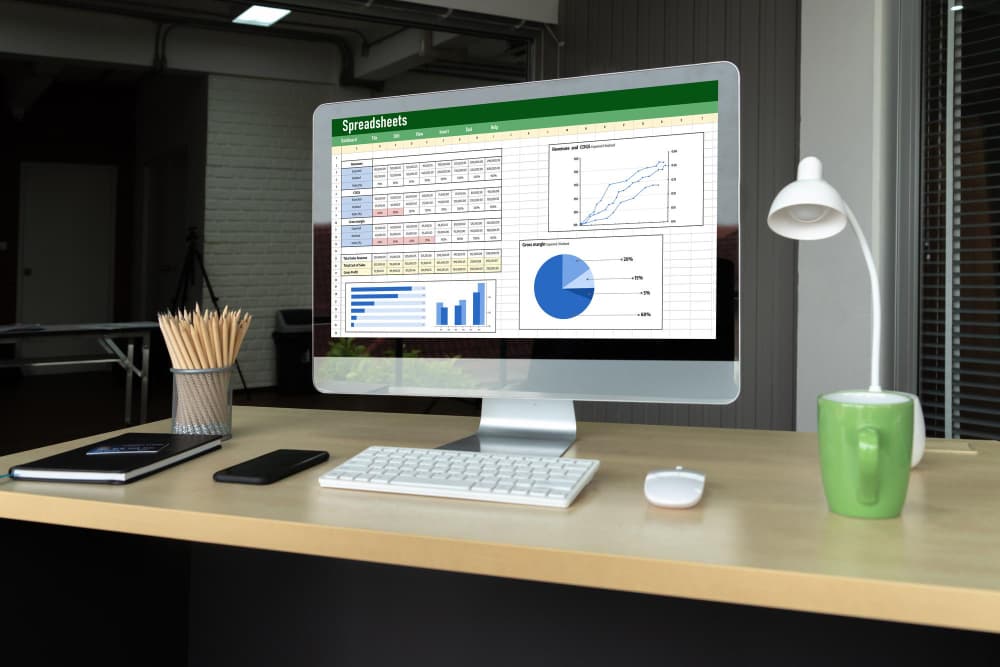
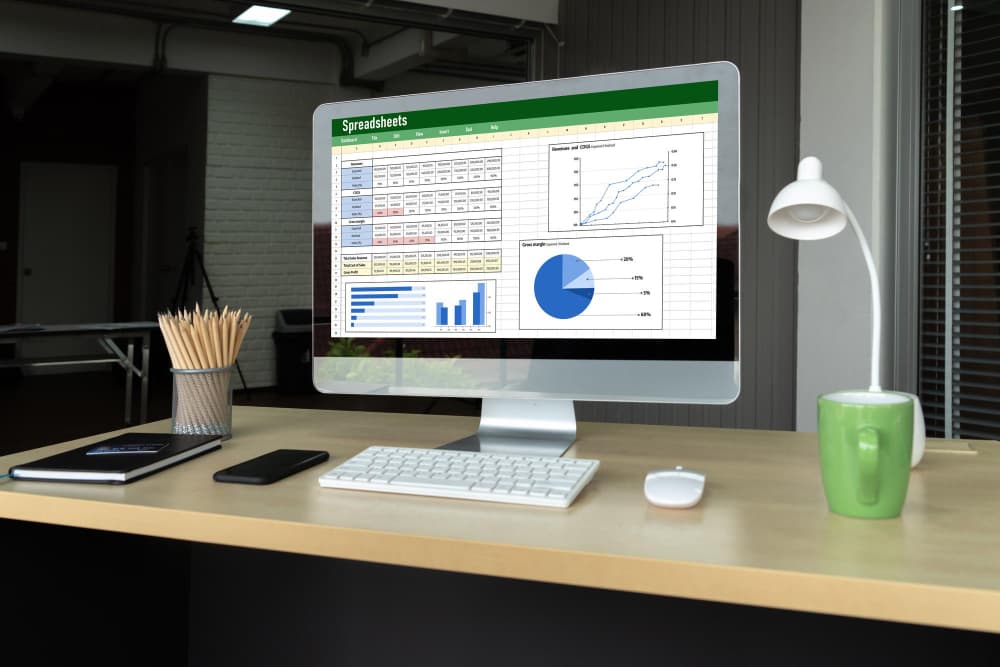
Financial modeling is a critical skill for finance professionals involved in analysis, planning, forecasting, valuation, and decision support. Well-built financial models help organizations understand financial performance, evaluate scenarios, assess risks, and support informed strategic and operational decisions. Excel remains the most widely used tool for building and analyzing financial models due to its flexibility and accessibility.
The Financial Modeling Using Excel course is designed for professionals who already have a basic understanding of finance and Excel and want to develop stronger, more structured financial models.
Within BOOST, this program focuses on practical modeling techniques that reflect how financial models are built and used in real business environments.
The course emphasizes good modeling discipline—clear structure, logical flow, sound assumptions, and transparent calculations—rather than complex formulas alone. Participants will learn how to translate financial concepts into Excel models that are easy to understand, review, and update. Attention is also given to avoiding common modeling errors and improving the reliability of outputs.
By the end of the program, participants will be able to build, interpret, and improve financial models that support planning, analysis, and decision-making with confidence.
01 Nov 2026 – 05 Nov 2026
Riyadh, KSA
01 Nov 2026 – 05 Nov 2026
Online, Virtual
01 Nov 2026 – 05 Nov 2026
Manama, Bahrain
01 Nov 2026 – 05 Nov 2026
Online, Virtual